

Gongura Pachadi
A coarse Andhra-style gongura leaf chutney, with garlic, dried chilli and a restrained fenugreek tempering to complement the leaves' sharpness.
November 20, 2026
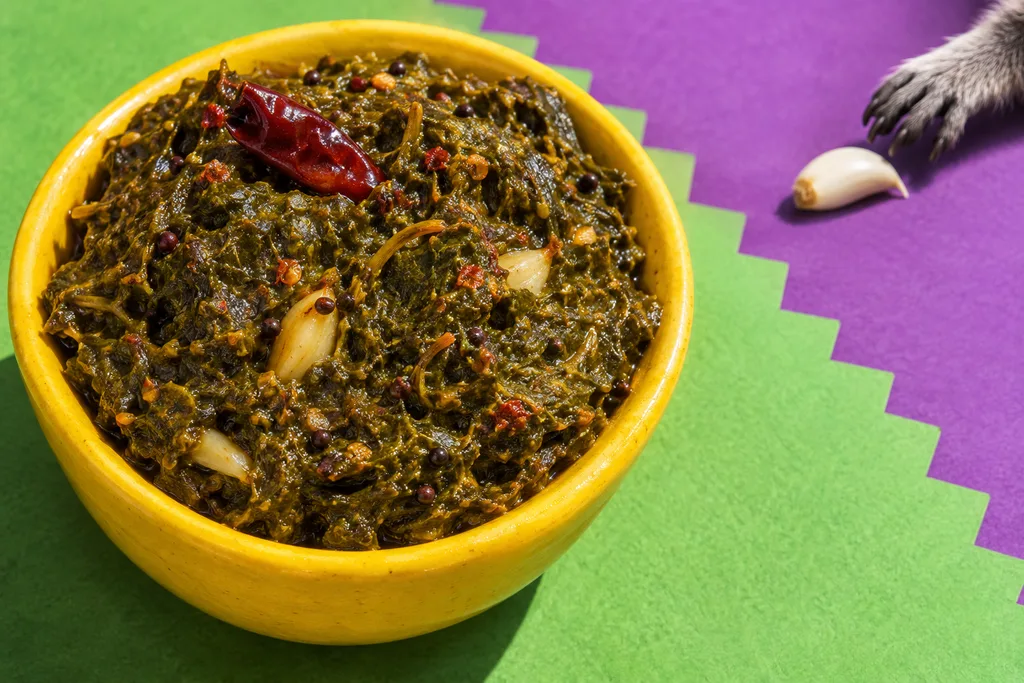
Gongura gives this Telugu chutney its sharp, leafy flavour. It is strongly associated with Andhra cooking and also familiar in Telangana. This is a small fresh batch for the refrigerator, with a coarse texture and enough oil to carry the chilli and garlic.
Buy edible gongura leaves from a food supplier. Roselle, Hibiscus sabdariffa, is one plant sold under that name; related edible kenaf leaves are also used regionally. The English label “sorrel” is not a reliable botanical identification by itself. This recipe is for culinary gongura, not arbitrary garden hibiscus or unidentified sour greens.
Makes about 200–250 g, or six condiment portions. Use a wide pan, salad spinner or clean towels, and a large mortar or small food processor. The total includes ten minutes for cooling; no fermentation or curing is required.
Ingredients
- 250 g picked gongura leaves, weighed after removing tough stems
- 3 tablespoons Indian gingelly oil, peanut oil or sunflower oil, divided
- 4 medium dried red chillies, stems removed; use mild Kashmiri chillies for less heat
- 4 garlic cloves, peeled and sliced
- 1/2 teaspoon black mustard seeds
- 1/8 teaspoon fenugreek seeds
- 8 fresh curry leaves, dry after washing
- A small pinch of asafoetida
- 1/2 teaspoon fine salt, then to taste
Instructions
Clean the leaves. Rinse the picked leaves in several changes of water. Spin well and pat dry so they do not carry large drops into the hot oil. Remove any remaining woody stems. This fresh chutney is not intended for long-term preservation.
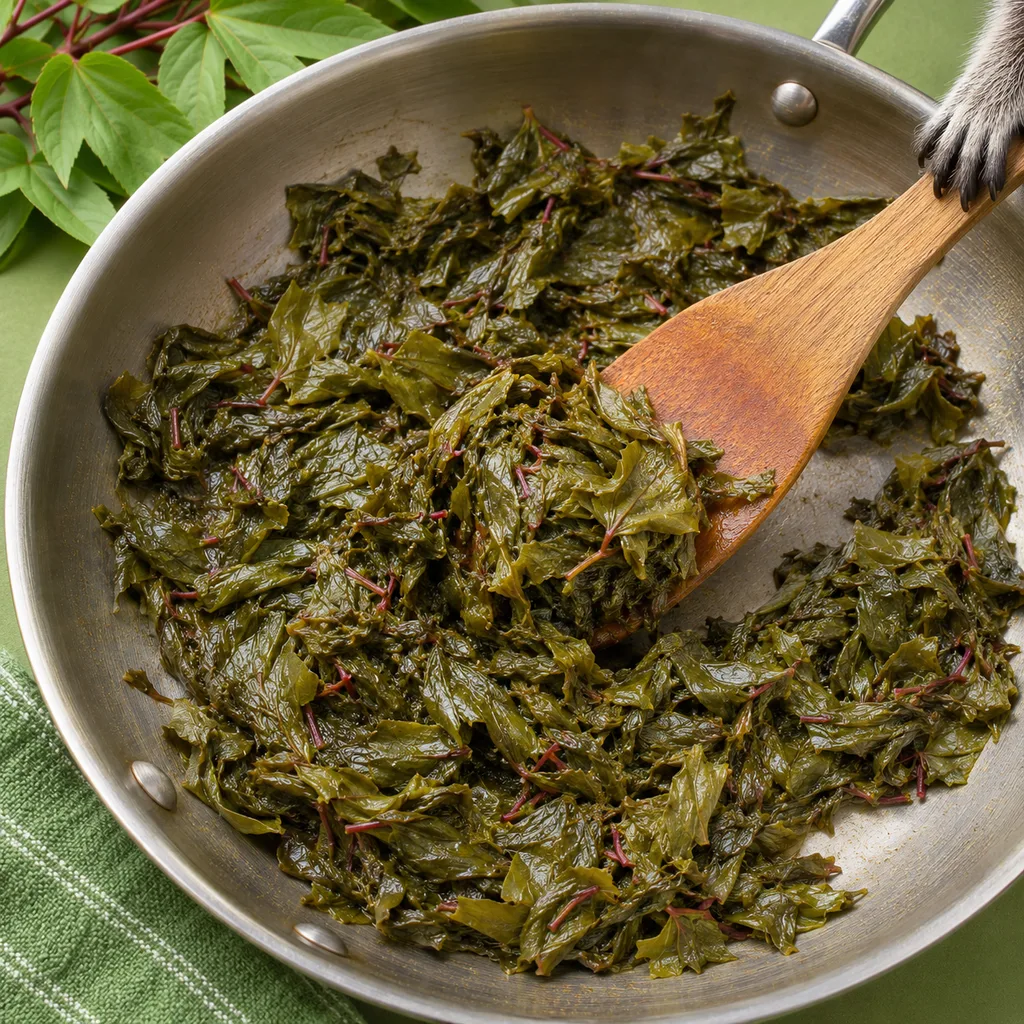
Wilt thoroughly. Heat 2 tablespoons oil over medium-low heat. Add the leaves in two batches, turning until each collapses. Cook for 8–10 minutes, stirring, until the leaves are dull olive green and tender and there is no watery puddle beneath them. Keep them moist and glossy rather than frying them crisp. Transfer to a plate.
Season gently. Add the remaining tablespoon oil to the pan. Fry garlic over low heat for about one minute, until pale gold at the edges; lift out. Add mustard seeds and let them begin popping. Add fenugreek and dried chillies, stirring for 20–30 seconds, then curry leaves and asafoetida for a few seconds. Remove from heat before the fenugreek turns dark. Let leaves and seasoning cool for ten minutes.
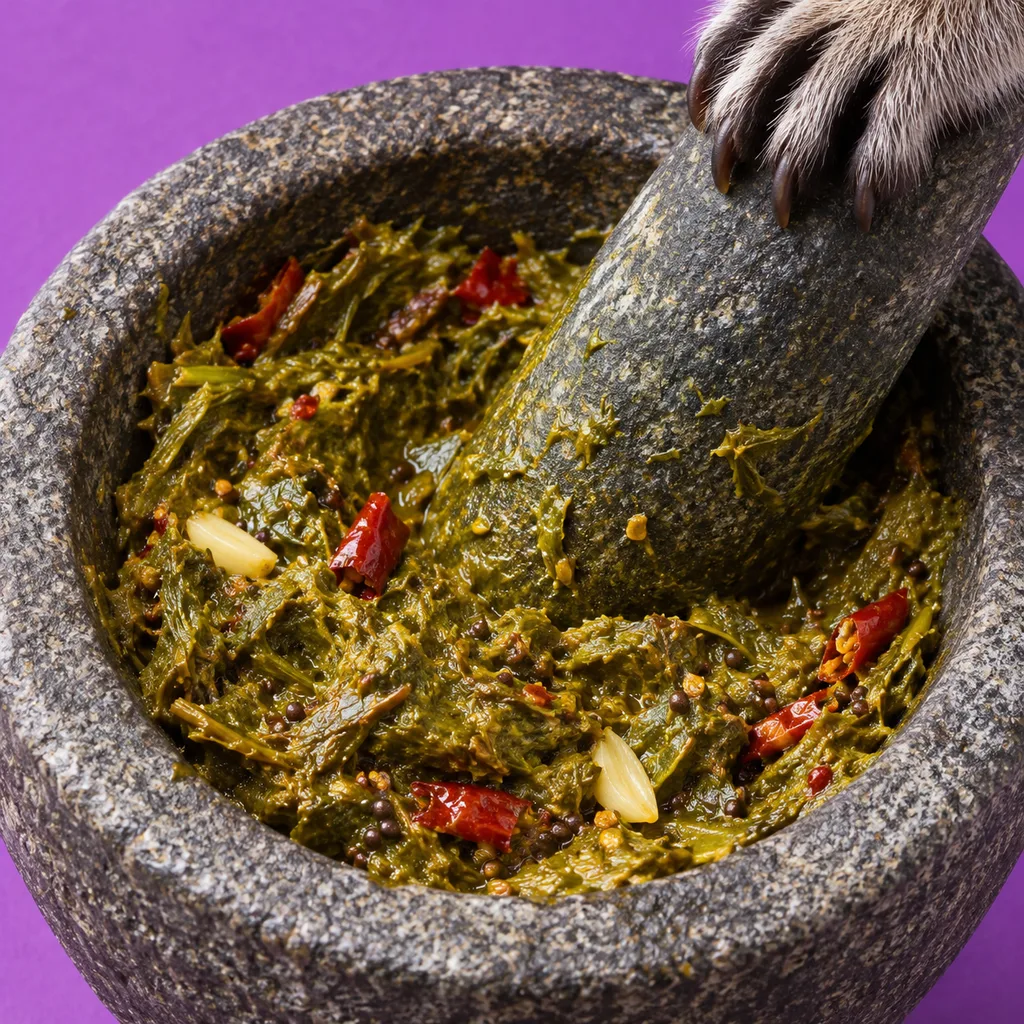
Pound coarsely. Crush chillies, fenugreek and garlic with the salt in a mortar. Add cooked leaves in small additions and pound just until the long strands shorten and the mixture holds together. Fold in the remaining seasoned oil, mustard and curry leaves. A processor also works: pulse briefly, scraping down between bursts. Do not add water or blend into a smooth green sauce.
Balance at serving. Taste a little with plain rice rather than eating a large spoonful alone. Leaf varieties differ in sourness; this version adds no tamarind. Serve small amounts alongside rice, dal or Coconut Chutney. Salsa Verde offers another approach to a sharply flavoured green condiment.
Keeping and sources
Refrigerate promptly in a clean covered container and use within three days. Use a clean spoon each time. This is a moist fresh preparation, not a shelf-stable pickle.
Dassana Amit's gongura pachadi and Sailu's family preparation inform the cooked-leaf and chilli seasoning approach. Rutgers Cooperative Extension distinguishes culinary roselle types and related Indian green kenaf. This version uses a short refrigerated life and a mortar for a deliberately coarse finish.
You might also like
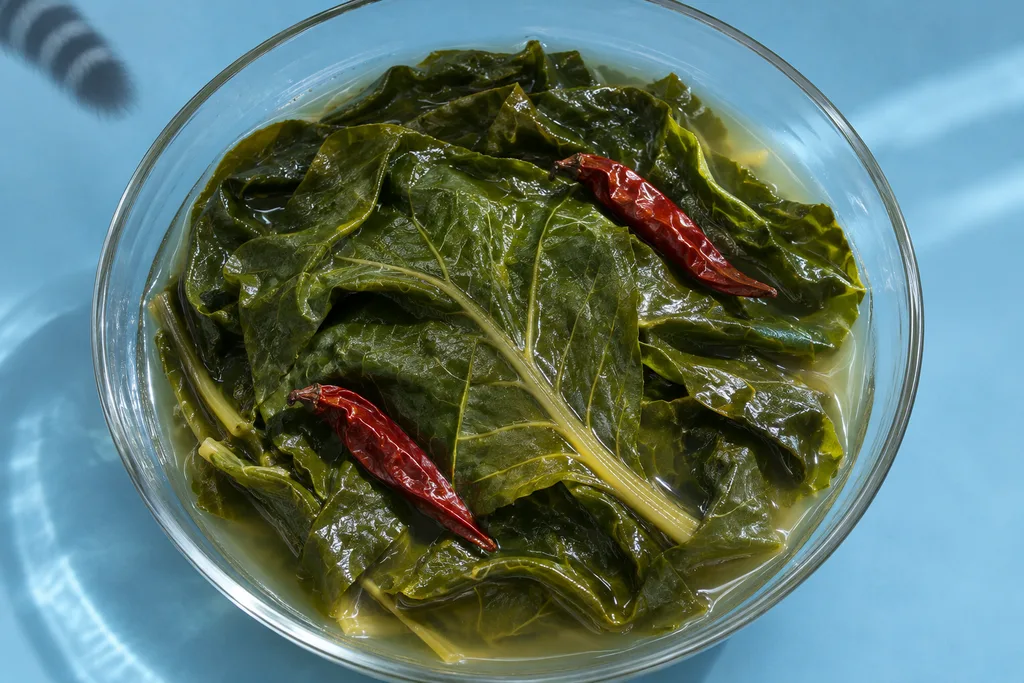
Kashmiri Haak
Whole or large-cut collard greens simmered in a light Kashmiri-style broth with chilli and asafoetida, served with their flavourful cooking liquid.
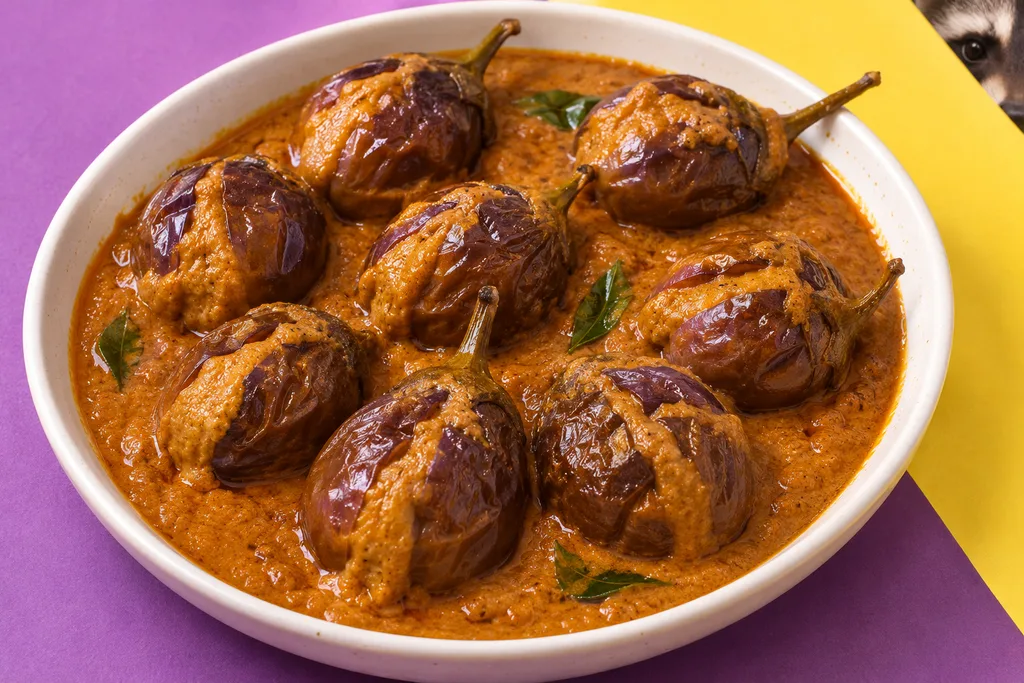
Gutti Vankaya Kura
Andhra-style baby aubergines stuffed with roasted peanut, sesame and coconut masala, simmered gently in a tangy gravy until tender.
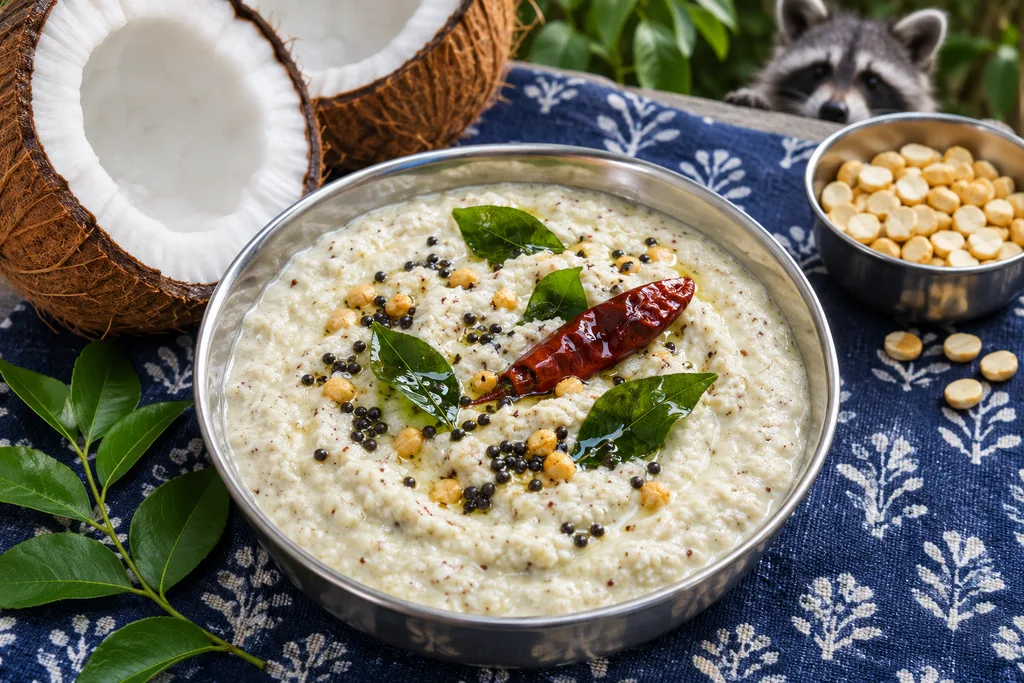
Coconut Chutney
Fresh South Indian coconut chutney with roasted gram, green chilli and ginger, finished with a fragrant mustard-seed and curry-leaf tempering.
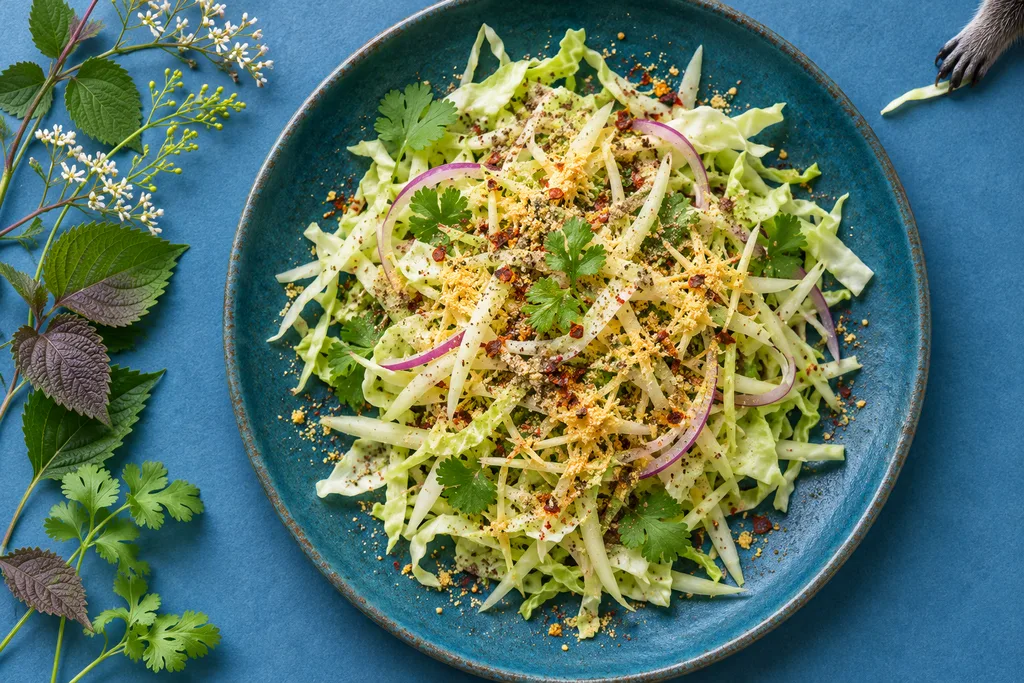
Manipuri Singju
A vegetarian Manipuri salad of fine cabbage and green papaya shreds coated with toasted perilla, gram flour and chilli.