

Moroccan Cuisine Guide
Tagine techniques, spice blends, and traditional cooking methods in Morocco
December 6, 2024

Morocco taught me patience through its tagines—those conical clay pots that turn tough meat and simple vegetables into something that tastes like it's been simmering for days (because it has). Every spice blend tells a story, every preserved lemon carries the wisdom of cooks who figured out how to make summer last all year.
Essential Cooking Vessels
The tagine, a conical clay pot, creates a unique cooking environment where steam circulates and condenses, returning moisture to the dish. This allows for slow cooking with minimal added liquid, concentrating flavors while keeping ingredients tender.
Different tagine sizes serve different purposes. Smaller tagines work well for individual portions or side dishes, while larger versions accommodate family meals. The clay material requires proper seasoning and gradual heating to prevent cracking.
Traditional bread ovens (fourns) in neighborhoods bake bread for multiple families. Home cooks prepare dough and bring it to communal ovens, creating consistent results and maintaining social connections around bread making.
Spice Blends and Preservation
Ras el hanout, Morocco's most complex spice blend, can contain 20+ ingredients including rose petals, cardamom, and cinnamon. Each spice merchant creates unique versions, with recipes often passed down through generations. This complexity shows up beautifully in dishes like Moroccan Lamb Tagine, where the blend develops over long cooking times.
Preserved lemons provide essential flavoring in many Moroccan dishes. The preservation process requires only lemons and salt, but proper technique ensures the right texture and flavor development. The preserved rinds, not the pulp, provide the characteristic taste.
Harissa paste combines chilies, garlic, and spices, but heat levels and flavor profiles vary significantly by region and preparation method. Some versions emphasize smokiness, others focus on pure heat or aromatic complexity.
Traditional Techniques
Moroccan cooking often begins with a sofrito-like base called tfaya, combining onions, ginger, and spices. This foundation appears in many dishes and requires proper browning to develop deep flavors.
Couscous preparation involves multiple steaming cycles in a special pot called a couscoussier. Each steaming separates and aerates the grains, creating the light, fluffy texture that distinguishes proper couscous from instant versions.
Meat preparation often involves marinating with spice pastes before slow cooking. This technique penetrates flavors deeply and tenderizes tougher cuts through extended cooking times. Moroccan Grilled Sardines demonstrates how similar spice treatments work with quicker-cooking proteins.
Sweet and Savory Combinations
Moroccan cuisine frequently combines sweet and savory elements in single dishes. Tagines might include dried fruits, honey, or sweet spices alongside meat and vegetables. These combinations require balance to avoid overwhelming any single flavor.
Pastries like pastilla demonstrate this principle, combining savory fillings with sweet spices and powdered sugar. The technique requires understanding how different flavors interact and complement each other.
Traditional sweets often incorporate nuts, honey, and floral waters. These ingredients require careful handling - nuts need proper roasting, honey quality affects final taste, and floral waters can easily overpower delicate preparations. Moroccan Orange Blossom Cookies showcase this delicate balance of floral and sweet elements.
Market Culture and Ingredients
Moroccan markets (souks) organize by product type, with dedicated areas for spices, produce, and prepared foods. Spice vendors often blend custom mixtures and provide guidance on usage and storage.
Seasonal cooking follows ingredient availability closely. Many traditional dishes developed around preserving seasonal abundance - preserved lemons during citrus season, dried fruits and nuts for year-round use.
Olive oil quality varies significantly, with different regions producing oils suited to different culinary applications. Understanding these differences helps in selecting appropriate oils for specific dishes.
Bringing Moroccan Techniques Home
I can get close to the gentle cooking of a tagine with a slow cooker or a heavy covered pot, even though neither behaves exactly like clay. What matters most is giving the ingredients time and adding spices in stages so their flavors stay distinct.
Making preserved lemons and harissa led me deeper into my Fermentation Journey and made the lessons in Salt Stories much more practical. Even a pot of Moroccan Mint Tea carries that same care: the preparation is part of the welcome, not just a way to make a drink.
What I Carry Into Other Dishes
The patience behind a tagine follows me into Italian risotto and Indian dal, where rushing the pot usually shows in the final texture. Moroccan spice combinations also sharpened the way I think about heat in the Chili chronicles, especially the difference between adding warmth, fragrance, and outright fire.
Ready to cook? Explore my moroccan recipes and north african recipes.
Recipes to cook next
Keep exploring these recipes from the Raccook kitchen.
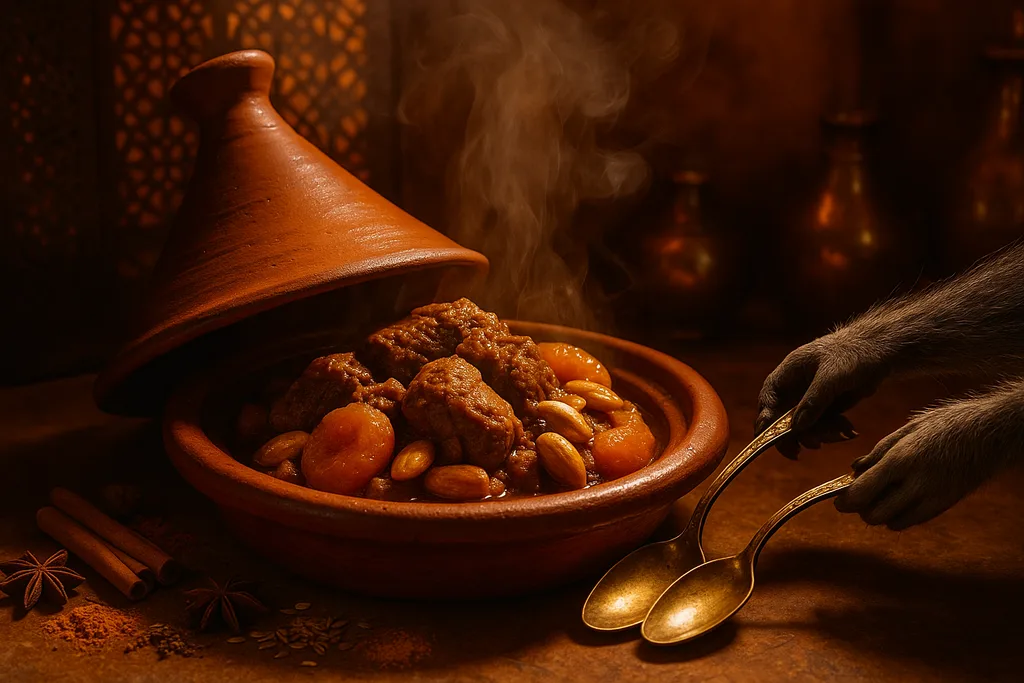
Moroccan Lamb Tagine
Slow-cooked lamb with apricots, almonds and warming spices in an authentic tagine pot - a window into Morocco's soul
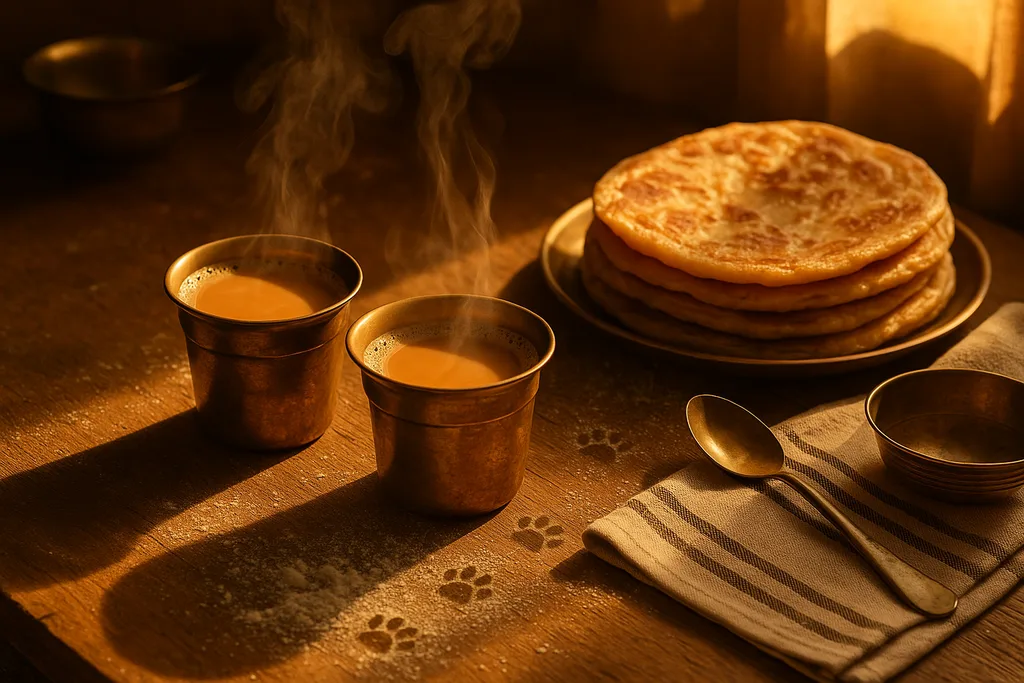
Morning Masala Chai & Fresh Paratha
The perfect Indian breakfast duo - aromatic spiced tea paired with warm, flaky flatbread
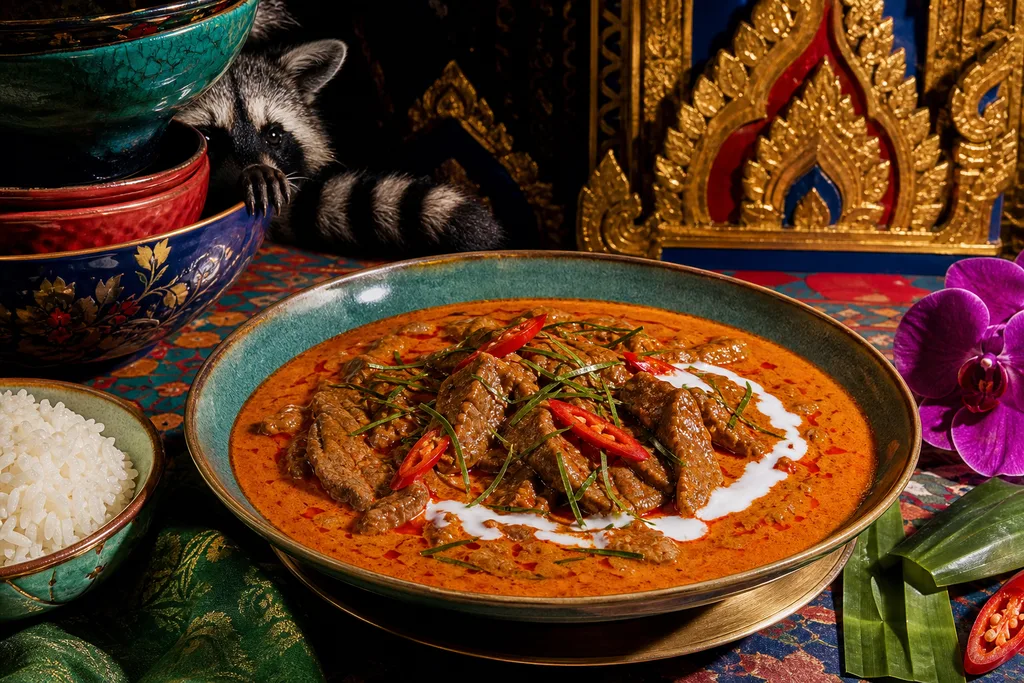
Panang Curry
Thailand's rich, peanutty cousin to red curry — a thick, glossy coconut curry with beef, kaffir lime, and just enough chili heat
Keep reading

Indian Cuisine Guide
Regional specialties, spice techniques, and cooking methods across India
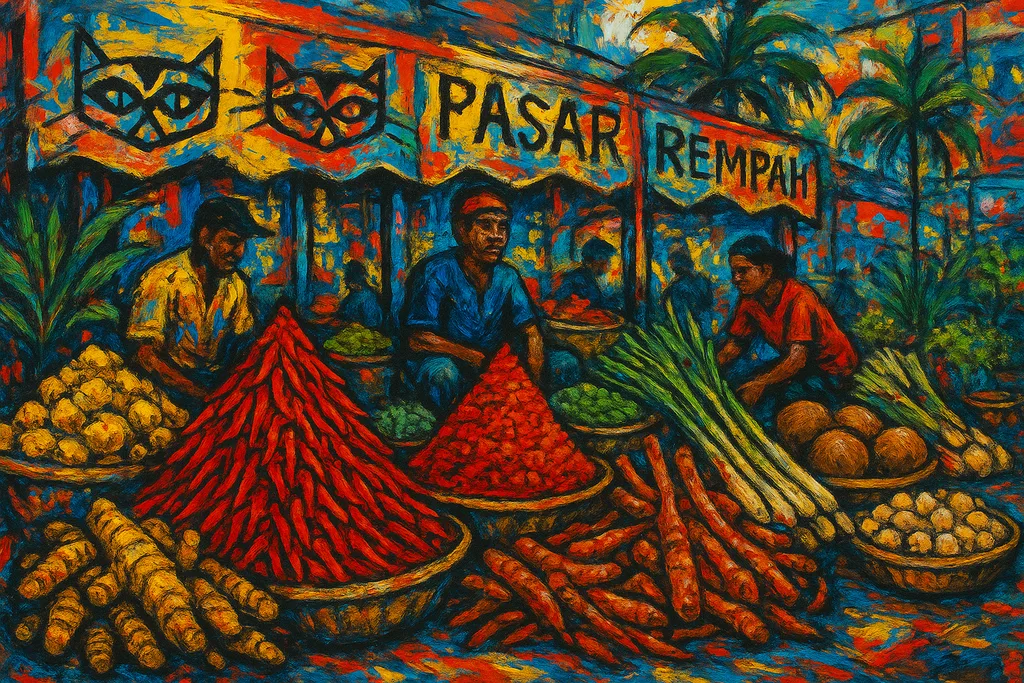
Indonesian Spice Islands Journey
From Balinese markets to Jakarta street food - exploring Indonesia's complex spice traditions and island flavors
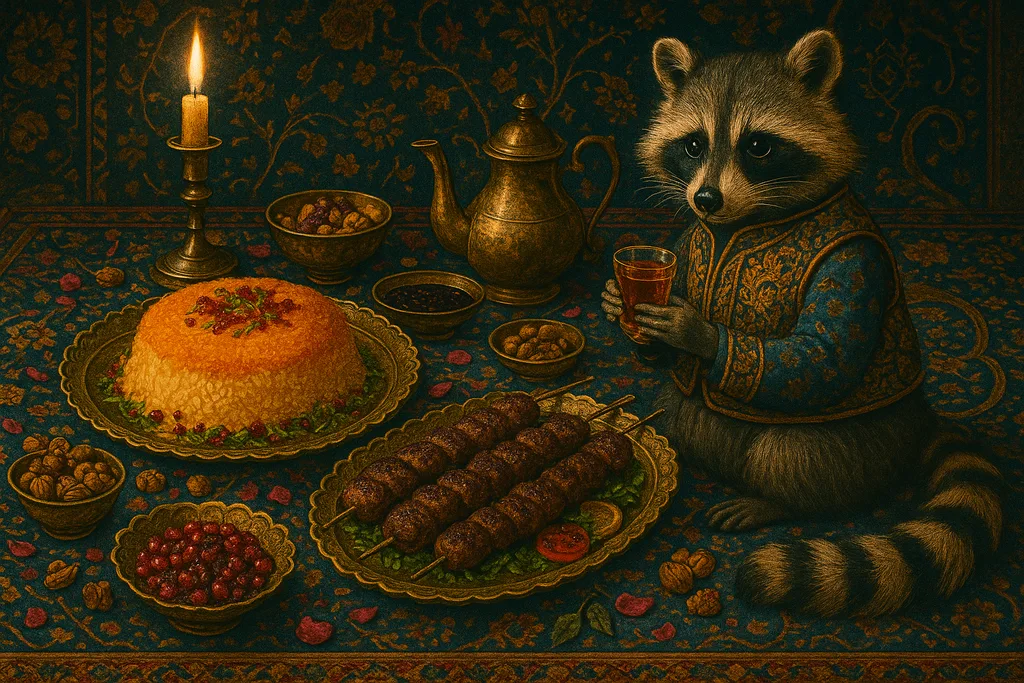
Iran: The Poetry of Persian Cuisine
Discovering the elegant complexity of Persian cooking - where rice is an art form and every meal is a celebration