Water Kefir: The Probiotic Soda
Water kefir grains are one of fermentation's great mysteries. Nobody knows exactly where they came from — some say Mexican cacti, others claim they're ancient Tibetan treasures. What we do know is these translucent, cauliflower-like clusters can transform sugar water into a fizzy, probiotic-rich drink that's lighter and more versatile than kombucha.
I stumbled into water kefir when a friend handed me a jar of what looked like tiny jellyfish floating in cloudy water. "Just feed them sugar water," she said, as if that explained everything. Three years later, I've got multiple strains going, each with its own fermentation personality and flavor profile.
Unlike kombucha's demanding SCOBY, water kefir grains are remarkably low-maintenance. They ferment faster, produce more consistent results, and multiply like rabbits. Plus, they create a naturally lighter drink that's perfect for hot weather or anyone wanting probiotics without kombucha's intensity.
Understanding Water Kefir Grains
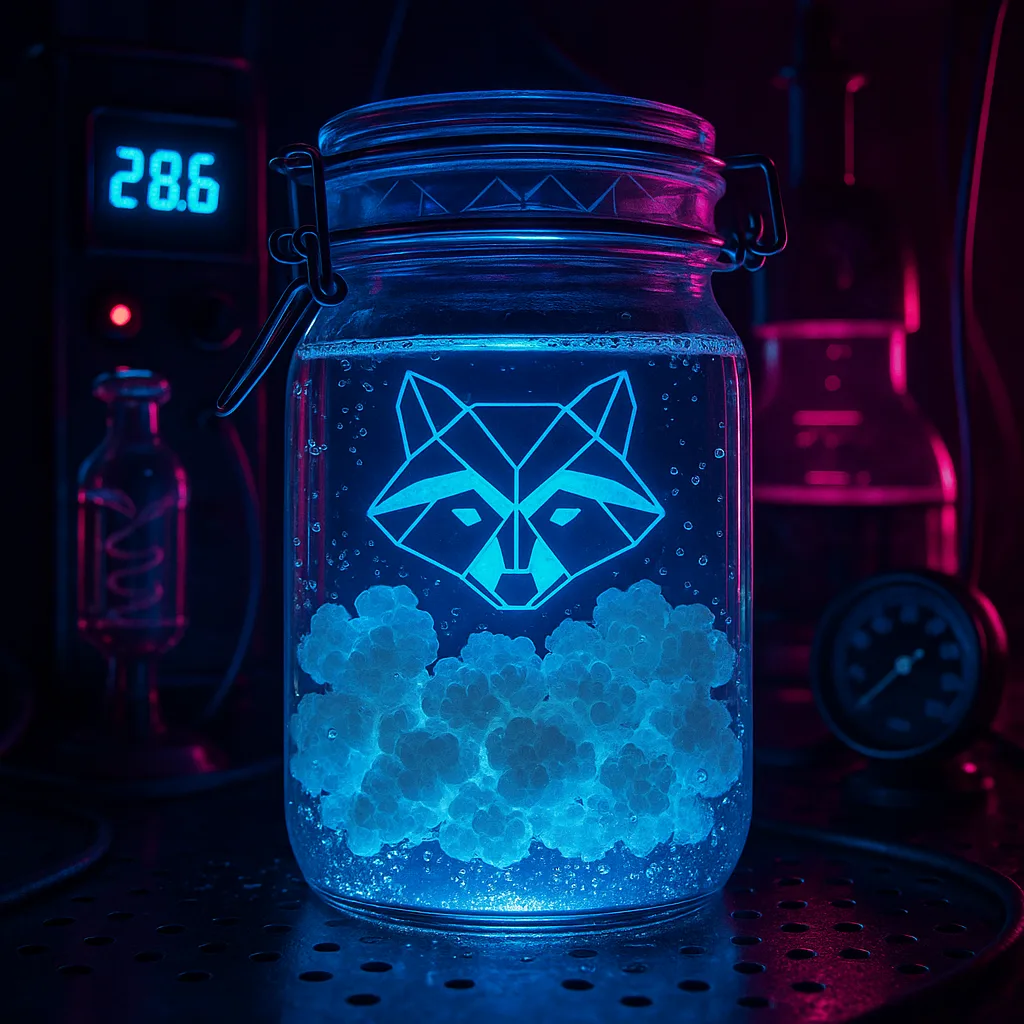
These aren't actually grains — they're colonies of bacteria and yeast (like kombucha's SCOBY) that form crystalline structures. They look like tiny cauliflower florets or sea glass, and they're surprisingly durable. Well-cared-for grains can last indefinitely, multiplying to share with friends.
Water kefir grains are different from milk kefir grains and can't be interchanged. They thrive on sugars and minerals, creating a light, champagne-like drink that's naturally low in sugar (the grains eat most of it during fermentation).
Basic Water Kefir
🥤 4 cups filtered water (chlorine-free)
🍯 1/4 cup sugar (white works best)
🪨 1/4 cup water kefir grains
🧂 Pinch of unrefined salt
🍋 Optional: slice of lemon or lime
🥜 Optional: 1-2 dates or figs for minerals
Equipment
🫙 32-ounce glass jar
🕳️ Non-metal strainer
🍾 Bottles for second fermentation
☕ Coffee filter or cloth
Fermentation Timeline
Instructions
-
Dissolve sugar: In your jar, dissolve sugar in room temperature water. Hot water will damage the grains, so let it cool completely if you used hot water to dissolve.
-
Add grains and minerals: Add kefir grains, salt, and optional fruit/dates. The salt and minerals help grains stay healthy and multiply.
-
First fermentation: Cover with coffee filter secured with rubber band. Ferment 24-48 hours at room temperature. Taste after 24 hours — it should be slightly sweet with a hint of tang.
-
Strain grains: Pour through non-metal strainer. Reserve grains for your next batch. The liquid is now first fermentation water kefir — lightly fizzy and mildly flavored.
-
Second fermentation (optional): For more carbonation and flavor, bottle the strained kefir with added fruits, herbs, or juices. Seal and ferment 1-2 more days.
-
Refrigerate: Once fizzy enough, refrigerate to slow fermentation. Drink within a week for best flavor.
Flavor Combinations That Work
Ginger Lime: 1 tablespoon grated ginger + juice of 1 lime
Berry Mint: 1/4 cup mixed berries + 4-5 mint leaves
Pineapple Sage: 1/4 cup pineapple chunks + 2 sage leaves
Apple Cinnamon: 1/4 cup apple pieces + 1 cinnamon stick
Hibiscus Rose: 1 tablespoon dried hibiscus + 1 teaspoon dried rose petals
Lemon Lavender: Zest of 1 lemon + 1/2 teaspoon dried lavender
Watermelon Basil: 1/3 cup watermelon chunks + 3 basil leaves
Grain Care and Feeding
Daily Care (Active Use)
If fermenting daily:
- Strain grains from finished kefir
- Immediately start new batch with fresh sugar water
- Grains should multiply over time
Storage Options
Short-term (1-2 weeks): Store grains in sugar water in fridge. Change weekly.
Long-term (months): Dehydrate grains on parchment paper until crispy. Store in sealed container. Rehydrate in sugar water for 3-4 cycles before using.
Backup method: Freeze grains in sugar water. Thaw and reactivate with fresh sugar water.
Signs of Healthy Grains
- Translucent, cauliflower-like appearance
- Multiply over time
- Create fizzy kefir in 24-48 hours
- Float or hover in water (sinking can indicate stress)
Troubleshooting Your Kefir
No fizz after 48 hours? Grains might be stressed. Try:
- Adding more minerals (pinch of salt, dates)
- Adjusting temperature (70-78°F is ideal)
- Using less grains (over-crowding slows fermentation)
Too fizzy too fast? You might have:
- Too many grains for the amount of liquid
- Too warm environment
- Very active grains (good problem to have!)
Grains turning white or mushy? Usually indicates:
- Chlorinated water (use filtered)
- Metal contact (use plastic strainer)
- Not enough minerals in diet
Kefir tastes alcoholic? Extended fermentation creates more alcohol. Normal levels are 0.5-1%, but longer ferments can reach 2-3%.
Advanced Techniques
Continuous Brew Method
Keep a large jar going with spigot. Draw off finished kefir daily and top up with fresh sugar water. Maintains consistent supply with minimal effort.
Flavored Sugar Waters
Instead of plain sugar water, try:
- Coconut water (natural minerals)
- Green tea (antioxidants and different flavors)
- Fruit juice diluted 1:1 with water
- Herbal tea cooled to room temperature
Jun Variation
Use honey instead of sugar and green tea instead of water. Creates "Jun" — sometimes called the "champagne of kombucha." Requires different grains that prefer honey.

The Science Behind Water Kefir
Water kefir grains contain dozens of beneficial bacteria and yeast strains. During fermentation, they:
- Convert sugars into lactic acid, acetic acid, and CO2
- Produce B vitamins and vitamin C
- Create beneficial enzymes
- Generate probiotics for gut health
The fermentation is similar to kombucha but faster and requires fewer nutrients. The grains themselves are mysterious — their exact origin unknown, their structure unique among fermented cultures.
Sharing the Wealth
Healthy water kefir grains multiply rapidly. A 1/4 cup can become 1/2 cup within weeks. This abundance makes sharing easy — everyone should have a fermentation friend! Package extra grains in sugar water for friends, or dehydrate them for long-distance shipping.
Start a grain library in your community. Trade strains with other fermenters. Different grain lineages can produce slightly different flavors and textures.
Seasonal Kefir Ideas
Spring: Strawberry basil, dandelion green tea base Summer: Watermelon mint, cucumber lime, peach ginger Fall: Apple cinnamon, pear cardamom, cranberry orange Winter: Pomegranate rose, citrus spice, pine needle (yes, really!)
Storage and Safety
Water kefir is naturally acidic and safe when properly fermented. Signs of problems:
- Mold (fuzzy, colorful growth)
- Off smells (rotten, not pleasantly sour)
- Slimy texture
Properly made water kefir keeps refrigerated for a week. The flavor continues developing slowly, sometimes improving with age.
Kefir vs. Kombucha
Water Kefir Advantages:
- Faster fermentation (1-2 days vs. 7-10)
- Lighter, more refreshing taste
- Easier to flavor in second fermentation
- No starter tea required
- More versatile base liquids
Kombucha Advantages:
- More complex flavor development
- Longer storage life
- More established culture and community
- Greater variety of commercial options
Both are excellent choices for home fermentation. Many enthusiasts maintain both cultures.
Building Your Fermentation Practice
Water kefir makes an excellent gateway ferment. It's forgiving, fast, and endlessly customizable. Once you're comfortable with the basic process, explore other grain-based ferments or dive deeper into the fermentation arts:
- Kombucha Brewing - The classic fermented tea
- Fermentation Journey - Your complete fermentation guide
- Homemade Sauerkraut - Vegetable fermentation basics
May your grains multiply and your kefir bubble with life!
Nutrition
A per-serving estimate is not available for this recipe. Residual sugar and alcohol depend on fermentation time and culture; ingredient totals cannot reliably estimate the finished drink.