Shakshuka
Eggs simmered in spiced tomato sauce sounds wrong until that first bite proves you completely right. The yolk breaks and mingles with cumin-scented tomatoes, creating something that's part sauce, part breakfast, entirely worth getting up early for.
Now I make this whenever I want breakfast to feel like an occasion. The smell of cumin and paprika warming in olive oil fills the kitchen before the sun fully rises, and somehow that makes even a Tuesday feel special.
Ingredients
🍅 2 tablespoons olive oil
🧄 1 large onion, diced
🌶️ 1 red bell pepper, diced
🧄 4 garlic cloves, minced
🌶️ 1 teaspoon ground cumin
🌶️ 1 teaspoon paprika
🌶️ ¼ teaspoon cayenne pepper (adjust to taste)
🍅 1 can (28 oz) crushed tomatoes
🧂 ½ teaspoon salt
🌿 ¼ cup fresh parsley, chopped
🥚 6 large eggs
🧀 ½ cup feta cheese, crumbled
🌿 Fresh cilantro for garnish
🍞 Warm pita bread for serving
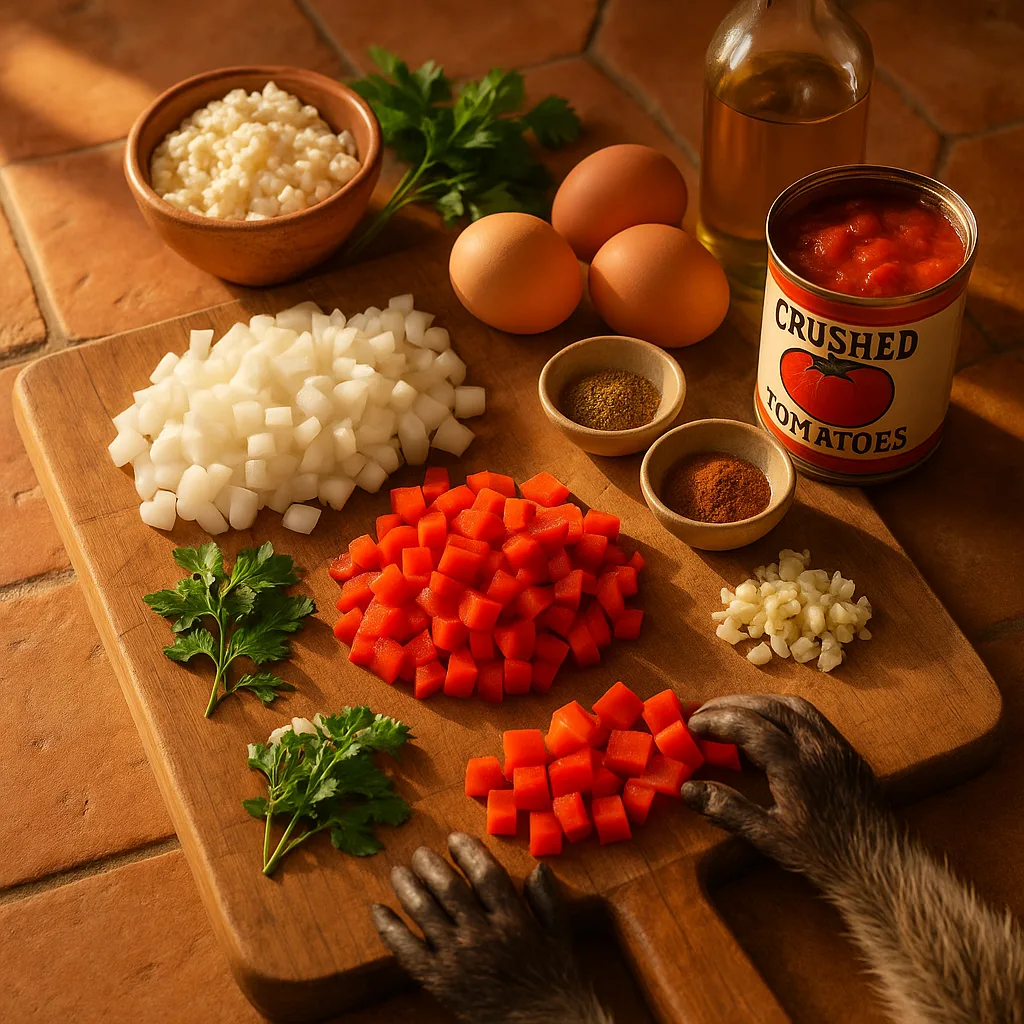
One-Pan Process
Temperature Control Timeline
Instructions
Build the base: Heat olive oil in a large cast iron skillet or heavy-bottom pan over medium heat. Add the onion and bell pepper, cooking for about 5 minutes until they start to soften. The onion should be translucent but not browned - we want sweetness, not caramelization here.
Wake up the spices: Add garlic, cumin, paprika, and cayenne. Stir constantly for about 30 seconds until fragrant. This step is crucial - the spices need just enough heat to bloom but not burn. If you smell them getting toasty, pull the pan off the heat for a moment.
Create the sauce: Pour in the crushed tomatoes and add salt. Let this simmer for 10-15 minutes, stirring occasionally, until the sauce thickens enough that a wooden spoon dragged across the bottom leaves a brief trail. Taste and adjust seasoning - this is your foundation, so it should be well-seasoned.
Nestle the eggs: Use a spoon to create small wells in the sauce. Crack each egg into a small bowl first, then gently pour into a well. This prevents broken yolks and gives you control over placement. The eggs should be evenly spaced around the pan.

The gentle finish: Cover the pan and cook for 8-12 minutes, depending on how runny you like your yolks. I prefer them just set on the edges but still liquid in the center - they'll continue cooking from residual heat.
Final touches: Remove from heat and immediately sprinkle with crumbled feta and fresh herbs. The cheese will start melting from the heat, creating little pockets of creamy richness.
Serving & Variations
Serve directly from the pan with warm pita bread for scooping. The combination of runny yolk, spiced tomato sauce, and bread is perfect - each bite should have all three elements.
Green shakshuka: Replace tomatoes with a mixture of spinach, chard, and herbs for a verdant variation that's equally delicious.
Meat lovers: Add crumbled merguez sausage or lamb when cooking the onions for extra richness.
Heat seekers: Include diced jalapeños with the peppers and add harissa paste to the sauce.
The beauty of shakshuka lies in its simplicity - eggs and tomatoes enhanced with warm spices. It's comfort food that happens to be elegant, breakfast that doubles as dinner, and proof that the best dishes often come from making the most of what you have on hand.
Links to Morocco for more North African flavors and Mediterranean cooking techniques.
Estimated nutrition per serving
One serving is 1/4 of the recipe. Values are rounded estimates.
- Calories
- 280 kcal
- Protein
- 15 g
- Carbohydrate
- 15 g
- Fat
- 19 g
Calculated from USDA FoodData Central, SR Legacy (April 2018) food composition data and the stated recipe yield.
How this estimate was calculated
Ingredient amounts are converted to edible weights, matched to USDA foods, added together and divided by 4 servings. Comparable foods are used where a regional ingredient has no exact record. Ingredient brands, portion sizes, discarded fat and cooking losses can change the result. Optional ingredients and unmeasured accompaniments are excluded. Sodium is not estimated because salt and brine retention vary.