Moroccan Lamb Tagine
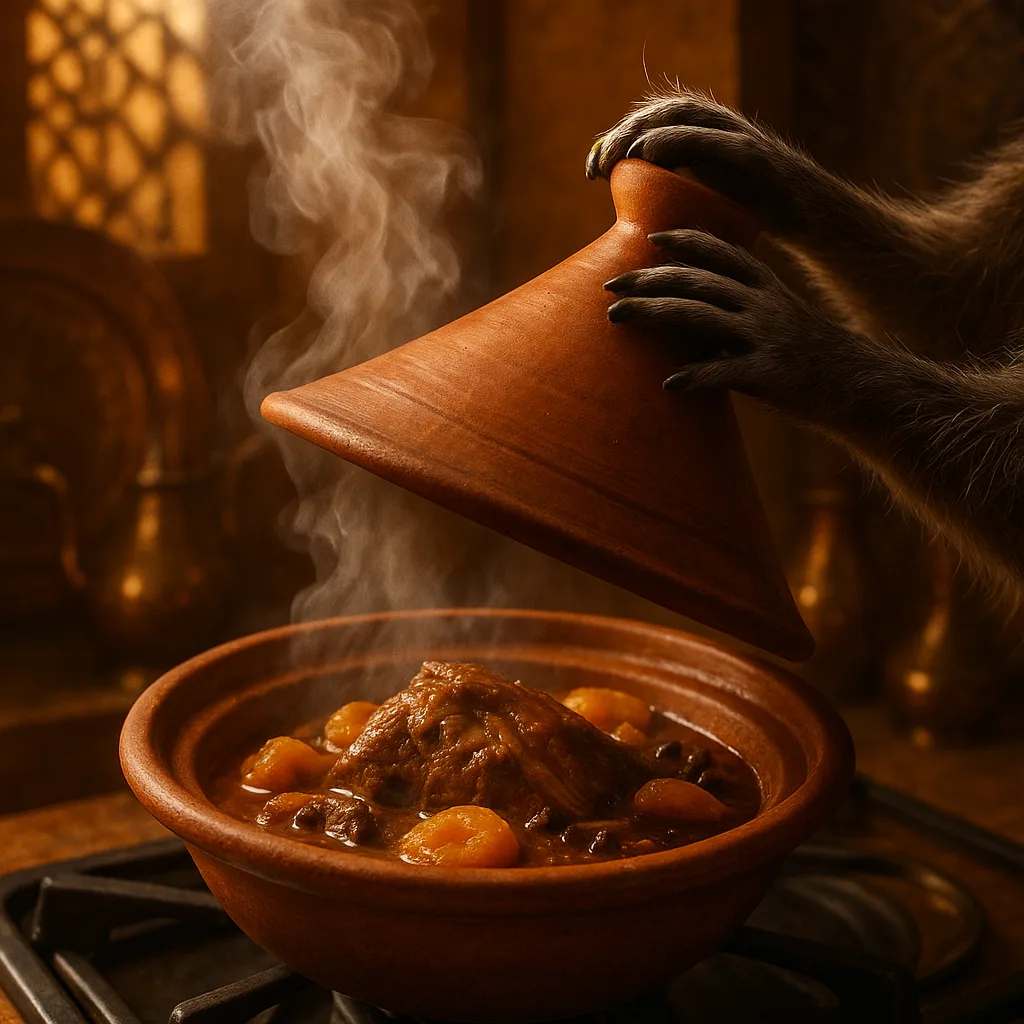
Tagine cooking is ancient engineering disguised as a clay pot. That conical lid creates its own ecosystem—steam rises, condenses, and falls back down to baste the meat continuously. Two and a half hours later, you have lamb so tender it falls apart and a sauce that tastes like it's been building for days.
This isn't just a recipe; it's a meditation. The tagine pot creates its own ecosystem - steam rises, condenses on the cone, and falls back down to baste the meat. It's ingenious and ancient, and it produces lamb so tender it falls apart at the touch of a fork.
Ingredients
🥩 3 lbs lamb shoulder, cut into 2-inch pieces
🧄 1 large onion, thinly sliced
🫒 3 tablespoons olive oil
🧄 4 garlic cloves, minced
🫚 2-inch piece fresh ginger, grated
🌿 1 cinnamon stick
🌿 1 teaspoon ground cumin
🌿 1 teaspoon ground coriander
🌿 1 teaspoon ground ginger
🌿 1/2 teaspoon ground turmeric
🌿 1/4 teaspoon cayenne pepper
🧂 2 teaspoons salt
🫒 1/4 cup dried apricots, halved
🥜 1/3 cup blanched almonds
🍯 2 tablespoons honey
🍋 Juice of 1 lemon
🌿 1/4 cup fresh cilantro, chopped
🌿 1/4 cup fresh parsley, chopped
Instructions
Season the lamb generously with salt and let it come to room temperature while you prep everything else. This is not the time to rush - room temperature meat cooks more evenly.
Heat the olive oil in your tagine over medium heat. If you don't have a tagine, a heavy Dutch oven works, but you'll miss some of that concentrated flavor magic. Brown the lamb pieces in batches - don't crowd them. You want a good sear, not a steam.
Remove the lamb and set aside. In the same pot, cook the sliced onion until softened and lightly golden, about 8 minutes. Add the garlic and fresh ginger, cooking until fragrant.
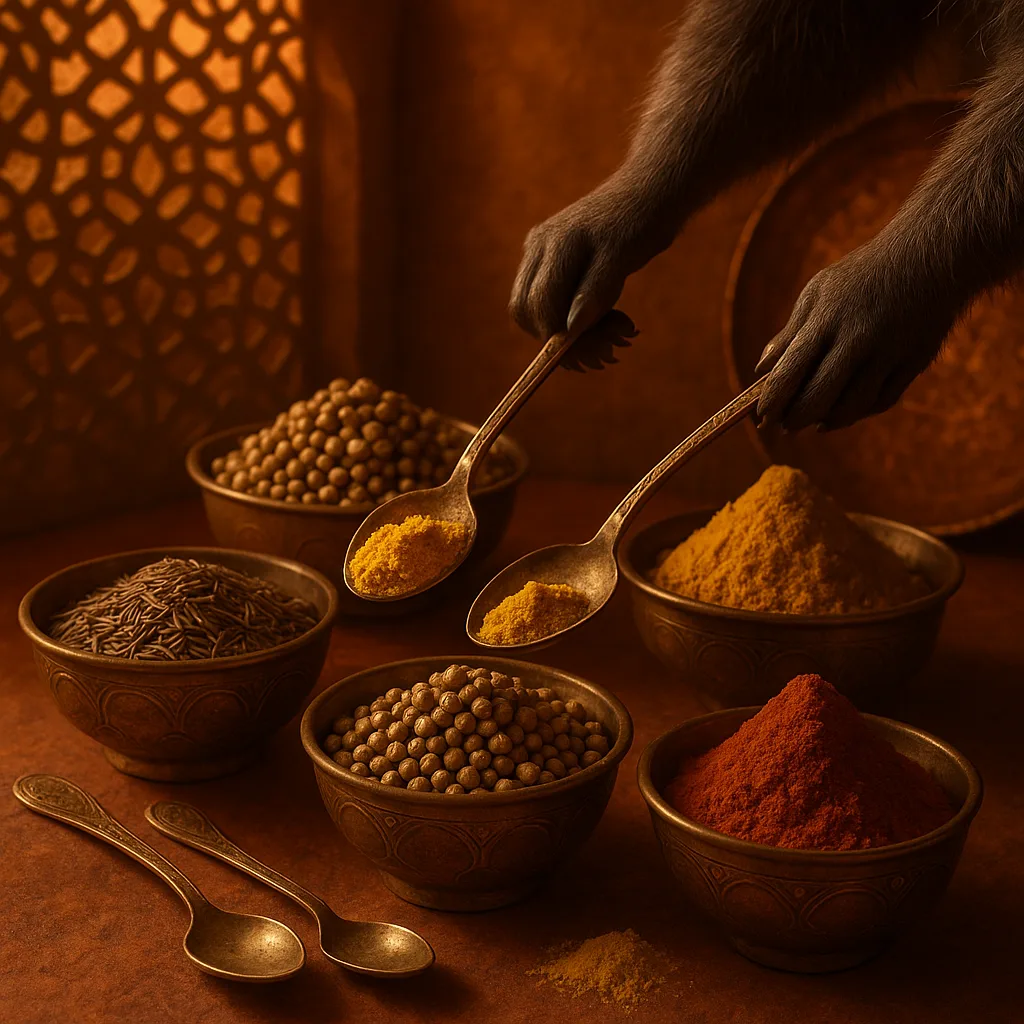
Add all the spices - cinnamon stick, cumin, coriander, ground ginger, turmeric, and cayenne. Toast them for about 30 seconds until your kitchen smells like a spice market. This step is crucial - it wakes up the spices.
Return the lamb to the pot and toss everything together. Add just enough water to barely cover the meat - about 2 cups usually does it. Bring to a gentle simmer.
Cover and cook for 1 hour and 30 minutes. The tagine should maintain a gentle bubble, not a rolling boil. Check occasionally and add water if needed.
Add the apricots and honey and continue cooking for another 45 minutes to 1 hour, until the lamb is fork-tender and the sauce has reduced to a rich, glossy consistency.
Tagine Cooking Timeline
Toast the almonds in a dry pan until golden and fragrant. Set aside.
Finish with lemon juice and adjust seasoning. The flavor should be complex - sweet from the apricots and honey, warm from the spices, with a bright acidic finish from the lemon.
Garnish with toasted almonds and fresh herbs just before serving.
Serving & Variations
Serve with warm flatbread or over couscous - the sauce is too good to waste. I like to put the whole tagine on the table and let people serve themselves. It's that kind of communal dish.
If you can't find dried apricots, dried figs or dates work beautifully. Some cooks add preserved lemons - if you have them, add a few strips in the last 30 minutes of cooking.
The beauty of tagine cooking is in its forgiving nature. Too much liquid? Cook uncovered for the last bit. Need more depth? A tablespoon of tomato paste stirred in early adds richness.
Notes from the Kitchen
A proper tagine pot isn't just cookware - it's a cooking technique. If you're using one for the first time, season it according to the manufacturer's instructions. The unglazed clay needs to be treated with respect.
Don't skip the browning step. That caramelization on the bottom of the pot becomes the foundation of your sauce. And please, resist the urge to peek too often - every time you lift the lid, you're releasing the steam that's doing the work.
This recipe connects directly to the lamb tagines I encountered in the souks of Morocco - each one slightly different, each cook adding their own signature touch. That's the beautiful thing about traditional cooking: it's both ancient and personal, both technique and intuition.
Estimated nutrition per serving
One serving is 1/6 of the recipe. Values are rounded estimates.
- Calories
- 760 kcal
- Protein
- 40 g
- Carbohydrate
- 16 g
- Fat
- 60 g
Calculated from USDA FoodData Central, SR Legacy (April 2018) food composition data and the stated recipe yield.
How this estimate was calculated
Ingredient amounts are converted to edible weights, matched to USDA foods, added together and divided by 6 servings. Comparable foods are used where a regional ingredient has no exact record. Ingredient brands, portion sizes, discarded fat and cooking losses can change the result. Optional ingredients and unmeasured accompaniments are excluded. Sodium is not estimated because salt and brine retention vary.