Bun Cha Lemongrass
Lemongrass-infused meatballs that char beautifully on the grill, served with tangy nuoc mam sauce and fresh herbs—that's bun cha. The secret is mincing the lemongrass so fine it becomes part of the meat's texture, releasing citrusy fragrance with every bite while the dipping sauce bridges sweet, sour, and umami in perfect harmony.
Timing: Allow about 1 hour 25 minutes when budgeting the meat mixture’s 20-minute rest separately from preparation and cooking. Make the dipping sauce and soften the noodles during that rest to overlap the work; the sauce’s 10-minute flavor-development wait fits inside the meat’s 20-minute rest.
Ingredients
For the Meatballs
🥩 500g ground pork (20% fat content)
🌿 3 lemongrass stalks, finely minced
🧄 4 garlic cloves, minced
🧅 2 shallots, finely diced
🍯 2 tbsp palm sugar
🥄 2 tbsp fish sauce
🧂 1 tsp white pepper
🥄 1 tbsp cornstarch
For the Nuoc Mam Sauce
🐟 4 tbsp fish sauce
💧 4 tbsp water
🍋 3 tbsp lime juice
🍯 3 tbsp palm sugar
🧄 2 garlic cloves, minced
🌶️ 2 Thai chilies, sliced thin
🥕 2 tbsp pickled carrot, julienned
🥒 2 tbsp pickled daikon, julienned
For Serving
🍜 400g rice vermicelli noodles
🥬 Butter lettuce leaves
🌿 Fresh herbs: mint, cilantro, perilla
🥒 Cucumber, sliced
🥜 Crushed peanuts
Cooking Process Flow
Interactive Serving Setup
Instructions
Prepare the Nuoc Mam Sauce
- Dissolve the sugar: In a bowl, whisk palm sugar with warm water until completely dissolved.
- Build the base: Add fish sauce and lime juice. The ratio should taste balanced – not too salty, not too sweet.
- Add aromatics: Stir in minced garlic and sliced chilies. Let this sit for 10 minutes to develop flavor.
- Finish with pickles: Add julienned pickled vegetables for crunch and tang. This sauce improves as it sits.
Make the Meatballs
- Prep the lemongrass: Remove tough outer layers and mince the tender white parts extremely fine. This is crucial – large pieces will be unpleasant to bite.
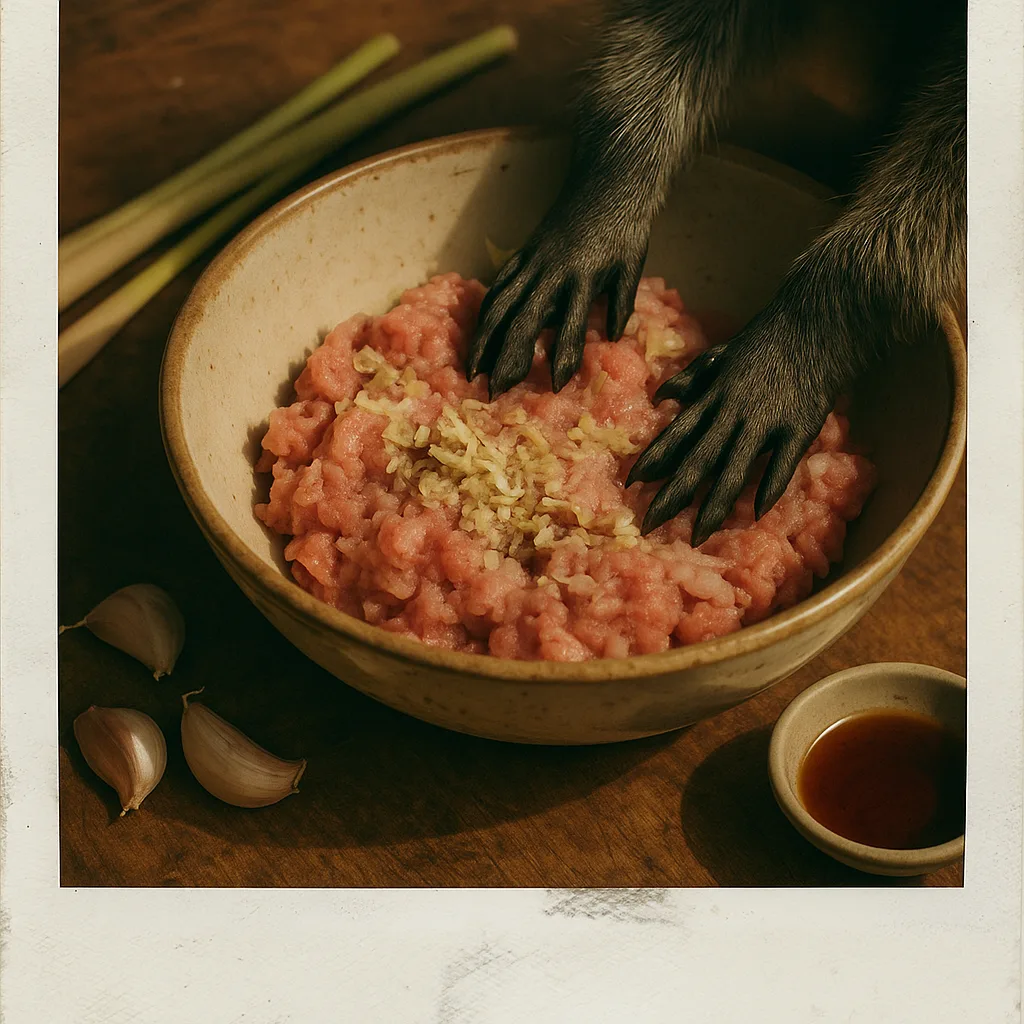
- Mix the meat: Combine pork, lemongrass, garlic, shallots, palm sugar, fish sauce, white pepper, and cornstarch. Mix gently but thoroughly.
- Rest the mixture: Let it sit for 20 minutes. This allows the lemongrass to perfume the meat and the cornstarch to bind.
- Shape: Form into walnut-sized balls. Wet hands prevent sticking.
Grill and Serve
- Heat the grill: Medium-high heat. You want good char without burning the lemongrass.
- Grill the meatballs: 3-4 minutes per side, turning carefully. The lemongrass should caramelize, not blacken.
- Prepare noodles: Soak rice vermicelli in hot water until tender, about 5 minutes. Drain and rinse with cold water.
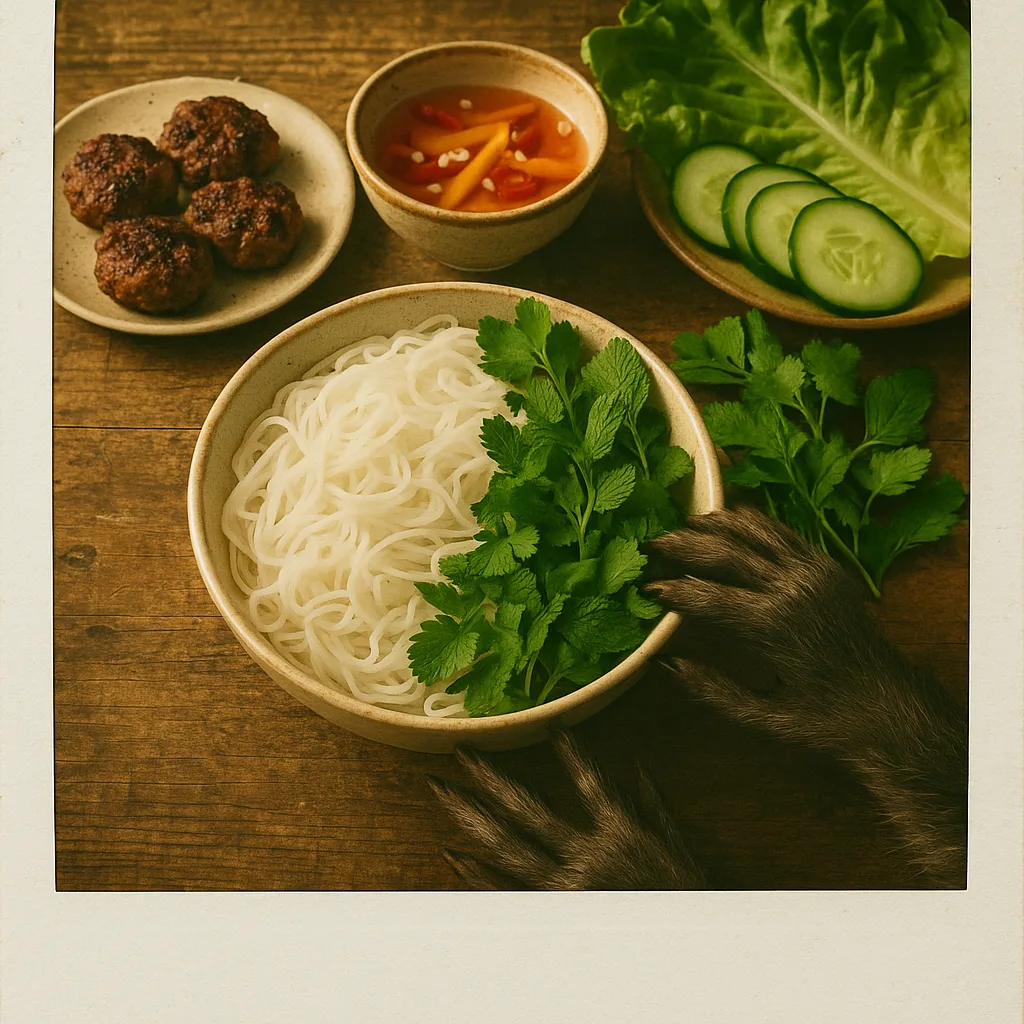
- Assemble: Place noodles in bowls, top with hot meatballs, fresh herbs, cucumber, and lettuce. Serve nuoc mam sauce on the side.
My Bun Cha Variation
Instead of traditional patties, these lemongrass-packed spheres cook more evenly and hold their aromatic oils better. The key is mincing the lemongrass so fine it becomes part of the meat's texture rather than fibrous intrusions.
The nuoc mam sauce here gets extra depth from the pickled vegetables – they're not just garnish but integral to the flavor balance. Make extra sauce; it keeps for days and improves everything from simple grilled vegetables to leftover rice.
Serving Notes
Bun Cha is meant to be interactive. Diners wrap herbs and meatballs in lettuce, dip everything in the sauce, and slurp noodles between bites. The contrasts – hot meatballs, cool herbs, tangy sauce, soft noodles – create the magic.
For the best experience, serve everything at once while the meatballs are still sizzling. The residual heat will gently wilt the herbs when wrapped together.
For more about Vietnamese herb culture and the interactive dining traditions, check out my Vietnam travel notes.
Estimated nutrition per serving
One serving is 1/4 of the recipe. Values are rounded estimates.
- Calories
- 815 kcal
- Protein
- 30 g
- Carbohydrate
- 110 g
- Fat
- 27 g
Calculated from USDA FoodData Central, SR Legacy (April 2018) food composition data and the stated recipe yield.
How this estimate was calculated
Ingredient amounts are converted to edible weights, matched to USDA foods, added together and divided by 4 servings. Comparable foods are used where a regional ingredient has no exact record. Ingredient brands, portion sizes, discarded fat and cooking losses can change the result. Optional ingredients and unmeasured accompaniments are excluded. Sodium is not estimated because salt and brine retention vary.