Beef Bulgogi
Paper-thin beef, properly marinated, transforms into something entirely different when it hits a screaming hot pan. The sugars caramelize, the edges char, and suddenly everyone's leaning in closer, eager for a piece before it even makes it to the plate.
The key is slicing the beef paper-thin when it's partially frozen — it makes all the difference in texture and how quickly the marinade penetrates. Asian pears are traditional, but a regular pear works just fine. The fruit tenderizes the meat and adds a subtle sweetness that balances the soy and sesame.
Timing: The 1 hour 5 minute estimate uses the minimum 30-minute marinade, plus 20 minutes of preparation and 15 minutes of cooking. Marinating for the full four hours brings that estimate to 4 hours 35 minutes.
Ingredients
🥩 2 lbs ribeye or sirloin, sliced paper-thin against the grain
🍐 1 Asian pear (or regular pear), grated
🧄 6 garlic cloves, minced
🧅 1/2 medium onion, thinly sliced
🥢 1/2 cup soy sauce
🍯 3 tbsp brown sugar
🥄 2 tbsp sesame oil
🥄 1 tbsp rice wine or mirin
🌶️1 tsp gochugaru (Korean red pepper flakes)
🫚 1 tbsp fresh ginger, grated
🧂 1/2 tsp black pepper
🧅 2 green onions, chopped
🥄 1 tbsp sesame seeds, toasted
Cooking Timeline
Slicing Technique Guide
Instructions
-
Prep the beef: Put the beef in the freezer for 30 minutes to firm up, then slice as thin as possible against the grain. Think deli-thin — the thinner, the better.
-
Make the marinade: Whisk together grated pear, garlic, soy sauce, brown sugar, sesame oil, rice wine, gochugaru, ginger, and black pepper in a large bowl.
-
Marinate: Add sliced beef and onions to the marinade, mixing well to coat every piece. Marinate for at least 30 minutes, or up to 4 hours in the fridge. The longer, the more flavor penetrates.
-
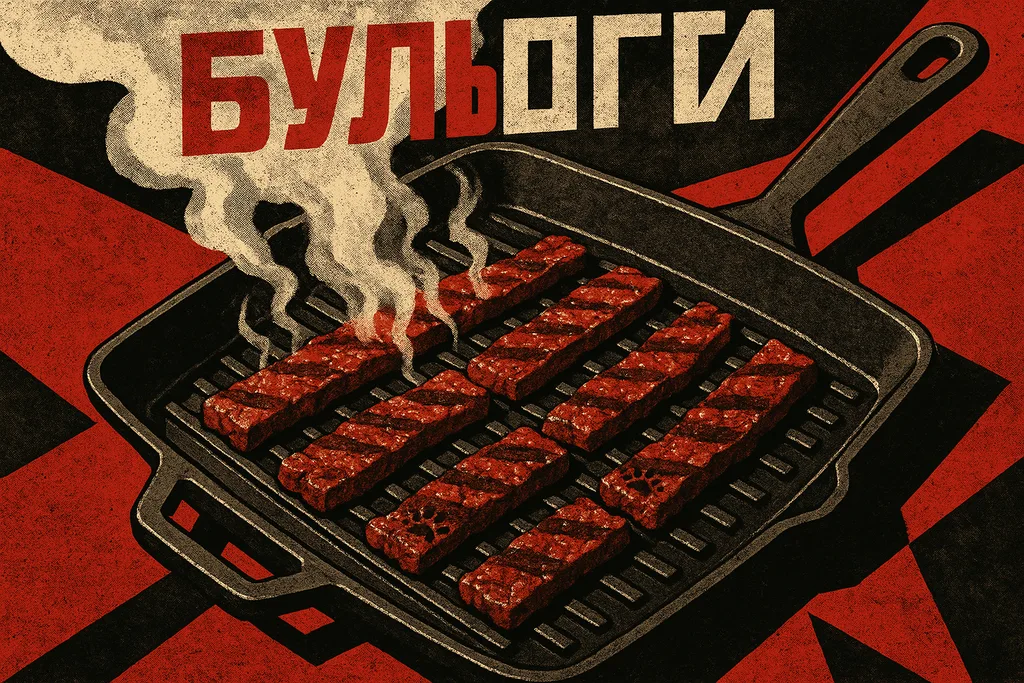
Get hot and fast: Heat a grill pan or cast iron skillet over high heat. You want it smoking hot — bulgogi cooks fast and needs that sear.
-
Cook in batches: Don't overcrowd the pan. Cook the beef in single layers for 2-3 minutes per side, letting it caramelize and char at the edges. The sugars should create a beautiful glaze.
-
Finish strong: Sprinkle with green onions and toasted sesame seeds just before serving.
Serving & Remixes
Serve with steamed rice, lettuce cups for wrapping, and banchan (Korean side dishes). Kimchi is essential — the fermented tang cuts through the rich, sweet meat perfectly.
Weeknight version: Slice the beef ahead and freeze in portions with marinade for quick weeknight dinners.
Lettuce wrap style: Serve with butter lettuce, perilla leaves, and ssamjang (Korean dipping sauce) for an interactive dinner.

The beauty of bulgogi is how it brings people together — everyone hovering around the grill, sharing pieces as they cook, building their perfect bite with rice and vegetables. It's Korean comfort food that turns any dinner into a small celebration.
Estimated nutrition per serving
One serving is 1/4 of the recipe. Values are rounded estimates.
- Calories
- 630 kcal
- Protein
- 50 g
- Carbohydrate
- 23 g
- Fat
- 37 g
Calculated from USDA FoodData Central, SR Legacy (April 2018) food composition data and the stated recipe yield.
How this estimate was calculated
Ingredient amounts are converted to edible weights, matched to USDA foods, added together and divided by 4 servings. Comparable foods are used where a regional ingredient has no exact record. Ingredient brands, portion sizes, discarded fat and cooking losses can change the result. Optional ingredients and unmeasured accompaniments are excluded. Sodium is not estimated because salt and brine retention vary.
- Uses the first named ingredient option for: 🥩 2 lbs ribeye or sirloin, sliced paper-thin against the grain
- Uses the first named ingredient option for: 🥄 1 tbsp rice wine or mirin