

Rice Around the World
Rice varieties, cooking techniques, and cultural applications across global cuisines
December 6, 2024
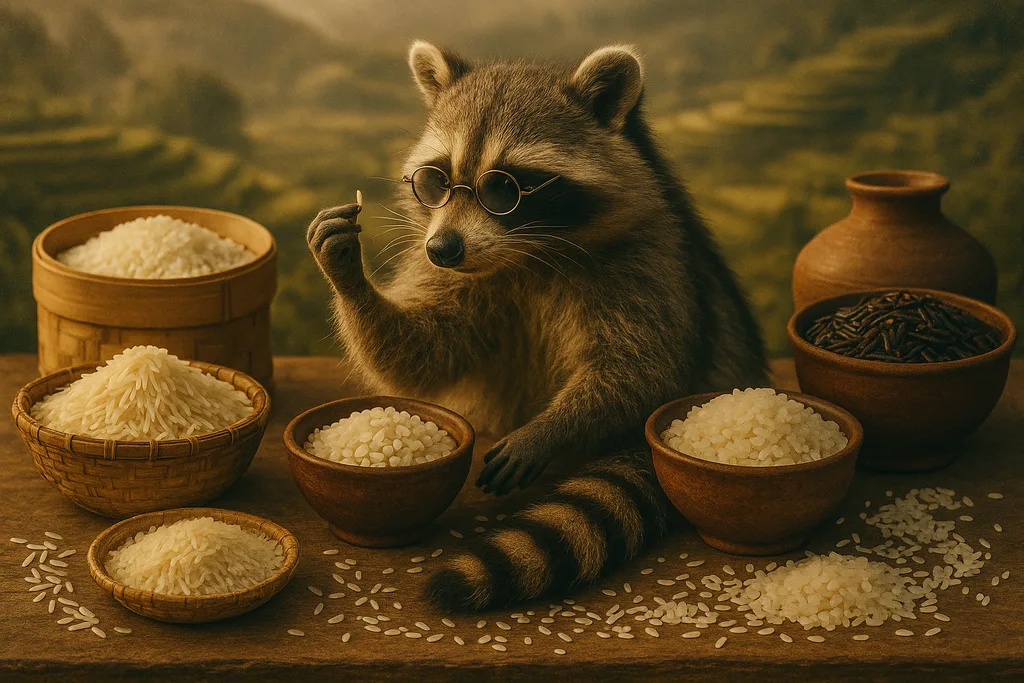
Rice serves as a foundation ingredient across numerous cuisines, with different varieties and preparation methods creating distinct textures, flavors, and cultural significance. Understanding these differences improves both technique and cultural appreciation.
Rice Variety Characteristics
Long-grain rices like basmati and jasmine cook to separate, fluffy textures due to higher amylose content. These varieties work well for pilafs, fried rice, and dishes where distinct grains are desired.
Short-grain rices contain more amylopectin, creating stickier textures when cooked. Japanese sushi rice and Italian Arborio rice fall into this category, each suited to specific preparation methods and final textures. Our Perfect Sushi Rice recipe demonstrates the precise techniques needed for authentic Japanese rice preparation.
Medium-grain varieties like Calrose rice provide balance between separate and sticky textures. These versatile rices work for multiple applications and adapt well to different cooking methods.
Regional Preparation Methods
Japanese rice preparation emphasizes proper washing to remove excess starch, precise water ratios, and specific cooking techniques. The goal is tender rice with individual grains that hold together without being mushy.
Thai jasmine rice cooking traditionally uses absorption methods with specific water ratios. The rice should be fragrant and slightly sticky while maintaining individual grain integrity. Proper technique creates rice suitable for eating with hands or utensils. For glutinous rice applications like Thai Mango Sticky Rice, different varieties and steaming methods create the characteristic chewy texture essential to Thai desserts.
Indian basmati rice preparation often includes soaking, precise water measurements, and sometimes spice additions during cooking. The goal is long, separate grains with characteristic aroma and light texture. Persian rice traditions take this further, as shown in iranian-jeweled-rice-cast-iron, where creating a perfect tahdig (crispy bottom) becomes an art form combining technique with cultural significance.
Specialized Rice Dishes
Risotto requires specific rice varieties (Arborio, Carnaroli, Vialone Nano) and techniques. Constant stirring releases starches gradually while maintaining grain integrity. Different liquid addition timing creates varying final textures.
Paella uses specific rice varieties that absorb liquid without becoming mushy. The technique involves creating a socarrat (crispy bottom layer) while maintaining proper rice texture throughout the pan.
Sushi rice preparation involves specific washing, cooking, and seasoning techniques. The rice must achieve proper stickiness for shaping while maintaining individual grain integrity and proper flavor balance. Our Perfect Sushi Rice guide details each step from washing to seasoning, ensuring restaurant-quality results at home.
Rice Cooking Fundamentals
Water ratios vary significantly between rice varieties and cooking methods. Long-grain rices typically use 1.5:1 water to rice ratios, while short-grain varieties may require different proportions for optimal results.
Washing removes excess surface starch and improves final texture. Different varieties require different washing techniques - some need multiple rinses until water runs clear, others require minimal washing to preserve nutrients.
Resting periods allow rice to finish cooking with residual heat and steam. Proper resting prevents overcooking while ensuring even moisture distribution throughout the grains.
Advanced Techniques
Toasting rice before adding liquid develops nutty flavors and helps prevent overcooking. This technique works particularly well for pilafs and dishes where distinct grain separation is desired.
Steaming methods using bamboo steamers or rice cookers create different textures than absorption cooking. Understanding when to use each method improves final dish quality. Thai Mango Sticky Rice showcases traditional bamboo steaming techniques that create the unique texture impossible to achieve through standard cooking methods.
Rice aging affects cooking properties and flavors. Aged basmati rice cooks differently than fresh rice, often requiring adjusted water ratios and cooking times for optimal results.
Troubleshooting Common Issues
Mushy rice usually results from too much water, overcooking, or insufficient starch removal during washing. Different varieties require adjusted techniques to prevent this common problem.
Undercooked rice can be fixed with additional liquid and cooking time, but prevention through proper measurement and timing works better than correction after cooking.
Sticky rice when separation is desired often indicates improper variety selection or cooking technique. Understanding variety characteristics prevents these issues.
Storage and Reheating
Proper rice storage prevents texture degradation and food safety issues. Cooked rice should be cooled quickly and refrigerated promptly to prevent bacterial growth.
Reheating techniques vary by intended final use. Fried rice applications benefit from day-old rice that has dried slightly, while other applications may require moisture additions during reheating.
What Rice Taught Me About Context
Rice can be a quiet side dish, the center of a meal, or the start of a dessert or drink. I get better results when I think about the role it plays before I choose a variety or cooking method.
Leftovers tell that story especially well, from Chinese fried rice to Spanish arroz con leche. Chinese Congee shows how completely a grain can change with water and time, while Peruvian Causa Limeña reaches a similarly comforting texture with a different regional starch.
How I Put That Knowledge to Work
I slow down and measure carefully for Perfect Sushi Rice, then use a gentler, more patient approach for Chinese Congee. The Thai Cuisine Guide is another reminder that rice is part of the meal's structure and culture, not an interchangeable scoop of starch.
I also draw on Salt Stories when seasoning the cooking water and my Fermentation Journey when exploring fermented rice. Once the fundamentals are right, rice becomes one of the most versatile foundations in my kitchen.
Recipes to cook next
Keep exploring these recipes from the Raccook kitchen.

Perfect Sushi Rice
The foundation of great sushi - properly seasoned and textured rice

Water Kefir: The Probiotic Soda
Create naturally fermented, fizzy drinks using water kefir grains — kombucha's lighter, more mysterious cousin
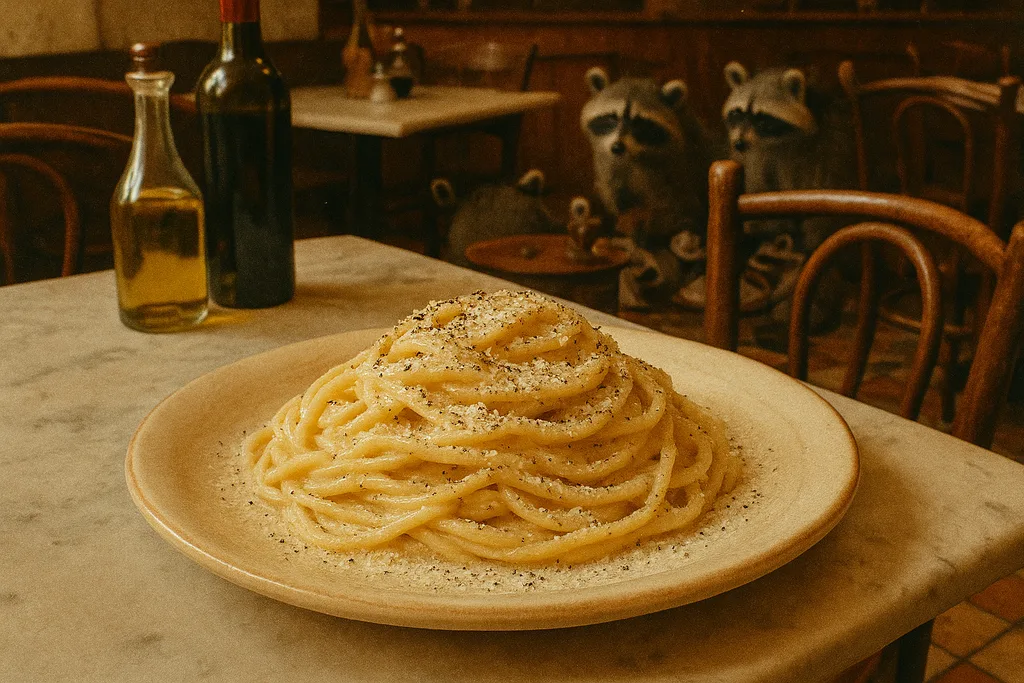
Italian Cacio e Pepe
Three ingredients that become liquid silk—Italy's proof that the most difficult dishes are often the simplest ones
Keep reading

Salt Stories
Salt types, usage techniques, and preservation methods across culinary traditions

Fermentation Journey
Understanding fermentation techniques across cultures and applications

Iran: The Poetry of Persian Cuisine
Discovering the elegant complexity of Persian cooking - where rice is an art form and every meal is a celebration