

Italian Cuisine Guide
Regional specialties, pasta techniques, and traditional cooking methods across Italy
December 6, 2024

Italy spoiled me for pasta forever. Not just because everything tastes better when you're eating it overlooking olive groves, but because I learned that "Italian food" doesn't really exist—there's Sicilian food, Roman food, Bolognese food, each fiercely proud of doing things their own way.
Regional Specialties
Northern Italy, particularly Emilia-Romagna, focuses heavily on egg-based fresh pasta like tagliatelle, tortellini, and cappelletti. Ragu Bolognese originated here and follows specific preparation methods that differ significantly from typical "meat sauce" interpretations.
Central Italy, including Rome, emphasizes simpler preparations with fewer ingredients. Italian Cacio e Pepe uses only pasta water, pecorino romano, and black pepper, but requires precise technique to achieve proper emulsification. Carbonara and amatriciana follow similar principles of ingredient restraint with technical precision.
Southern Italy and Sicily show more diverse influences, including Arabic and Spanish elements. Pasta shapes are often designed to hold specific sauces, like busiate for pesto or orecchiette for vegetable-based sauces. Sicilian cuisine incorporates ingredients like pine nuts, raisins, and saffron not commonly used in northern dishes.
Markets and Ingredient Quality
Italian food markets emphasize relationships between vendors and customers. Many vendors specialize in single categories like cheeses, cured meats, or produce, developing deep expertise in their specific areas.
Quality indicators matter significantly. For example, Parmigiano-Reggiano age affects both price and appropriate usage - younger wheels work better for grating over pasta, while aged versions are better eaten in chunks. San Marzano tomatoes from specific regions command higher prices due to soil and climate conditions.
Traditional markets like Bologna's Quadrilatero district maintain historical specializations. Some vendors have operated for generations, preserving traditional preparation methods and quality standards that supermarkets cannot match.
Essential Techniques
Italian cooking emphasizes technique over complexity. Pasta water should be heavily salted (like seawater) to properly season the pasta during cooking. Fresh pasta dough requires proper kneading and resting to develop gluten structure.
Risotto technique involves gradually adding warm stock while stirring constantly to release starch from the rice. This creates the characteristic creamy texture without adding cream. Different rice varieties (Arborio, Carnaroli, Vialone Nano) produce different textures.
Olive oil quality varies significantly by region and processing method. Cold-pressed, extra virgin oils from single estates offer more complex flavors than mass-produced alternatives. Different oils complement different dishes - peppery Tuscan oils work well with grilled meats, while milder Ligurian oils suit delicate fish preparations.
Traditional Methods
Italian cooking traditions developed from practical considerations - preserving food, making inexpensive ingredients satisfying, and using local products effectively. Many "rules" about Italian cooking stem from these practical origins rather than arbitrary preferences.
For example, not adding cheese to seafood pasta relates to historical preservation concerns and flavor compatibility. Adding cream to carbonara changes the dish's fundamental character and traditional preparation method.
Regional pride in cooking methods reflects centuries of refinement. Neapolitan pizza dough fermentation, Bolognese ragu cooking times, and Sicilian caponata preparation all follow time-tested methods that produce specific results.
How I Bring These Ideas Home
Italian cooking keeps reminding me that a short ingredient list leaves nowhere for technique to hide. I see it in Classic Margherita Pizza, where the dough and heat do most of the work; in Italian Bruschetta Trio, where small preparation choices change each topping; and in Eggplant Parmigiana, where patient seasoning and layering make the whole dish come together.
My Fermentation Journey gave me a deeper appreciation for aged cheese and cured meat, while Salt Stories changed how carefully I season pasta water. The lesson I carry into any kitchen is to respect the tradition, pay attention to the ingredients in front of me, and adapt thoughtfully when I need to.
Ready to cook? Explore my italian recipes.
Recipes to cook next
Keep exploring these recipes from the Raccook kitchen.
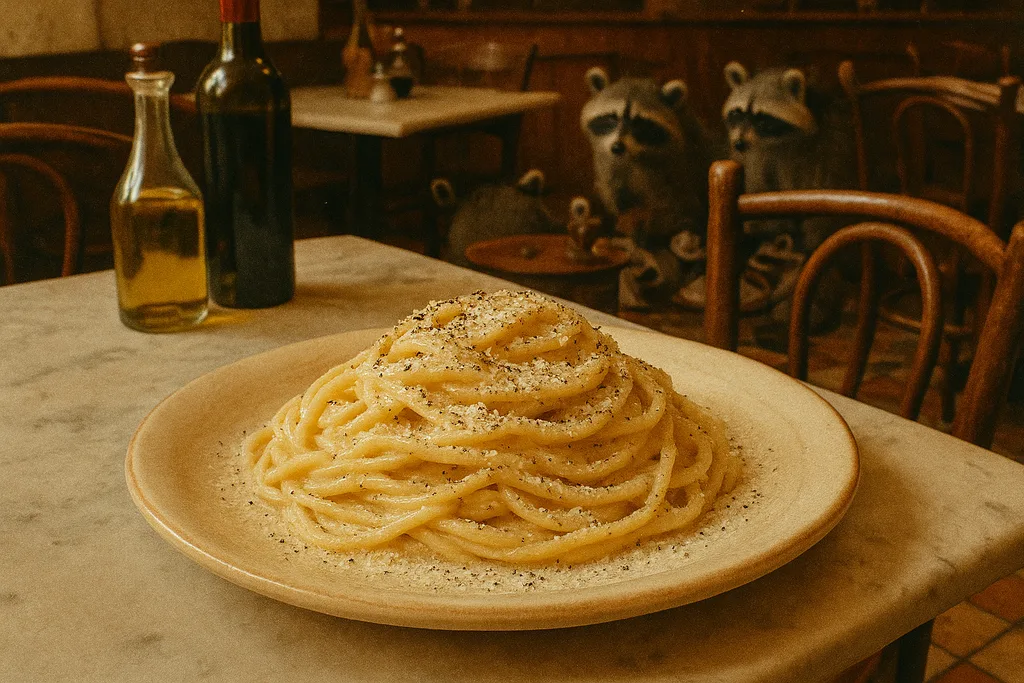
Italian Cacio e Pepe
Three ingredients that become liquid silk—Italy's proof that the most difficult dishes are often the simplest ones
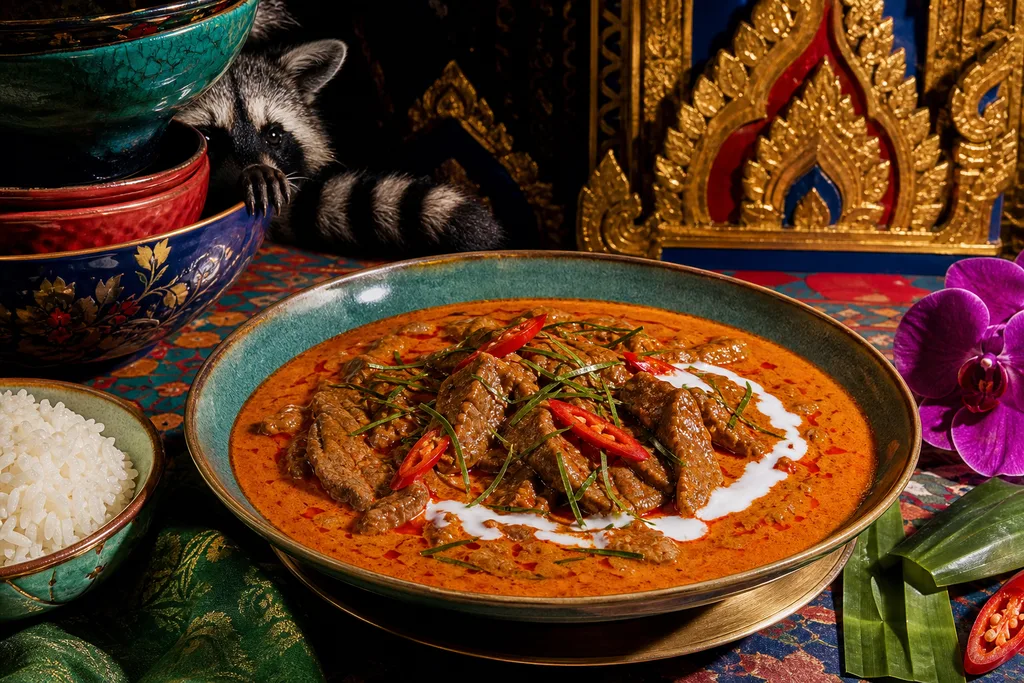
Panang Curry
Thailand's rich, peanutty cousin to red curry — a thick, glossy coconut curry with beef, kaffir lime, and just enough chili heat
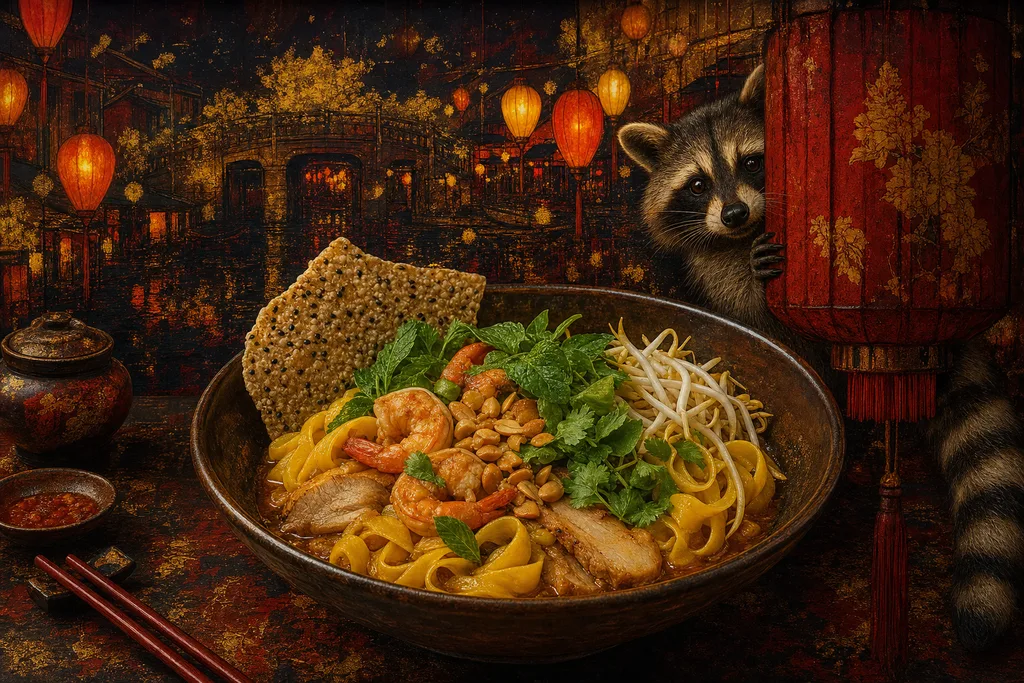
Mi Quang
Central Vietnam's signature turmeric noodle dish — chewy yellow noodles in just a splash of intense pork-and-shrimp broth, piled with herbs, peanuts, and shattered rice crackers
Keep reading

Indian Cuisine Guide
Regional specialties, spice techniques, and cooking methods across India

Iran: The Poetry of Persian Cuisine
Discovering the elegant complexity of Persian cooking - where rice is an art form and every meal is a celebration

Korea: The Alchemy of Fermentation
Exploring Korean cuisine's mastery of fermentation, balance, and the art of preserving flavors